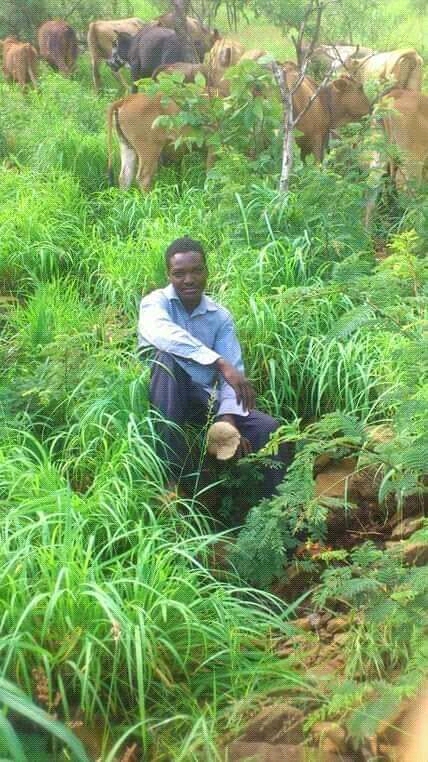
Population growth is skyrocketing while deserts are advancing causing economic hardships especially in the Sub Saharan Africa. Looking at the poorest countries in Sub Saharan Africa economies the growing population rely on domestic food production so due to climate extremes and poor soil productivity people are caught in the middle of a poverty trap.
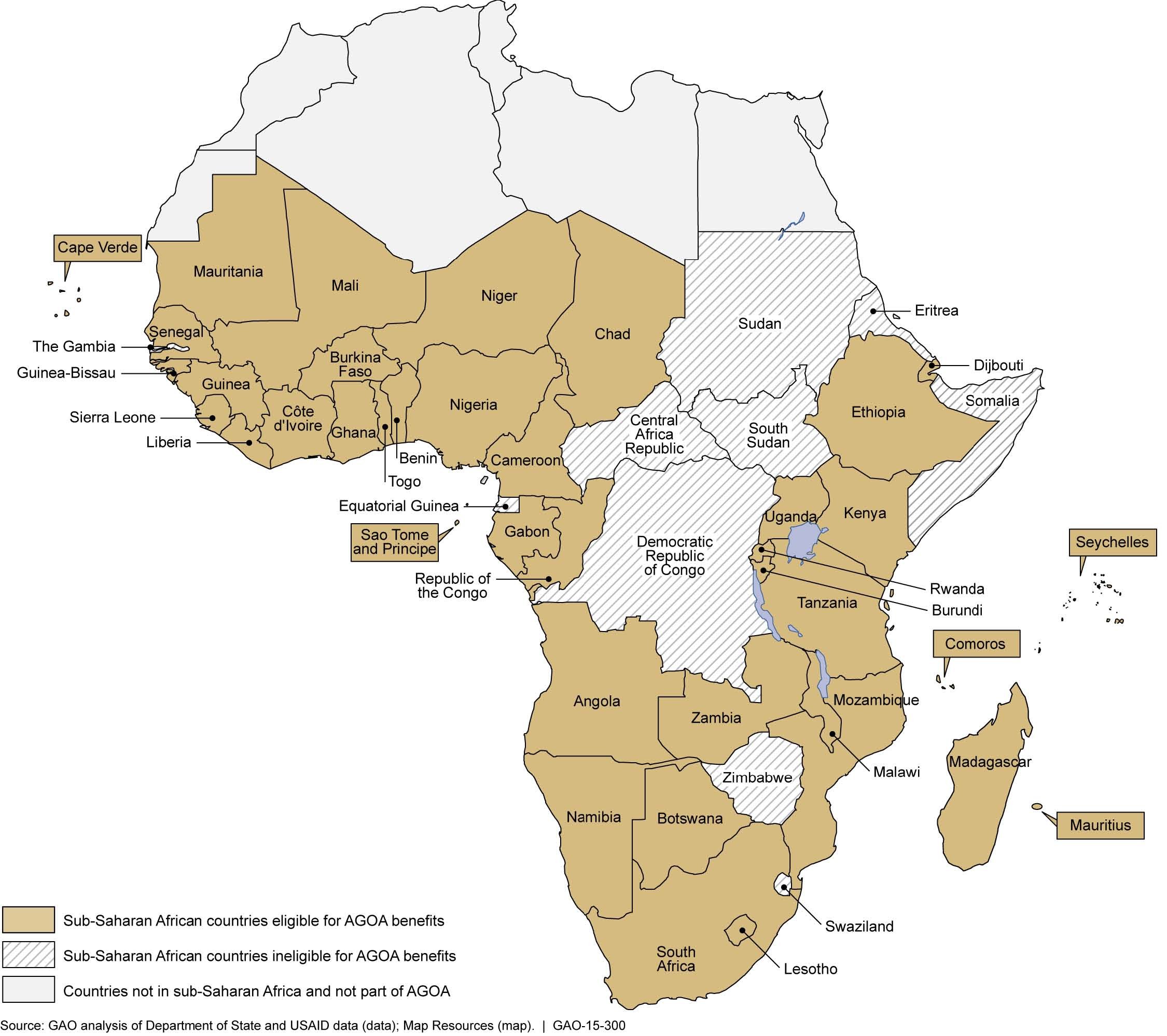
The case of sub Saharan Africa seems hopeless, water is becoming scarce and the fertile topsoil is eroded putting the agriculture sector at risk. Malnutrition, starvation, and ingestion of contaminated food and water is the leading cause of illness and death in the sub Saharan Africa particularly for children. So what should be done? Are we going to apportion blame to policy makers or political leaders? Weather is not controlled by government, and we can’t blame it for the lack of rain. Helpless people are crying pointing their fingers to corrupt political leaders and poor governance but the disasters seems to worsen. Poverty and droughts forces great numbers of the youthful age (skilled and unskilled) to migrate to other countries creating socio-economic pressure to the designated country, for example there are 4 million estimated Zimbabwean immigrants in South Africa and there is job competitions among Zimbabweans and South Africans that leads to xenophobic attacks. So what should be done to eradicate poverty, starvation and malnutrition? Survival and sustainability is the most important thing, which we can achieve by improving the natural capital value of the land.
Soil is the only life saving grace in this crumbling planet
S Solution
O Of
I Immortal
L Life
‘There is no need of smart tools or fat pockets to control the climate change, just look at the natural ecosystem and try to solve the eco puzzle why that black beetle is dribbling a ball of sh*t like Messi?, why God put the blind mole underground ?, why the giant baobab tree grows and giant elephant lives in dry savanna rather than in the equatorial rainforest?
As the only way to sustain high population growth in the sub Saharan Africa is to improve the natural capital value of land, is there any need of huge amounts of cash from poor food producers or governments to improve the natural capital value of land. No, I don’t think so, as there is no need of expensive machines, chemicals and technical know-how , what we need you and I is to understand how the natural ecosystem works and reproduce natural processes we see in the natural ecosystem when building our economies. Reproducing natural processes we repair the ecosystem solving our economic and social problems sustainably. All over the world natural resources have been depleted by the demands of the growing population. The production of food and modernization denuted natural landscape vegetation causing global warming and food insecurity mostly in sub Saharan Africa. So to survive and sustain our lives in the sub Saharan Africa we need to solve the environmental problems improving the natural capital value of land so that we can curb the impact of climate change and better up our lives.
The soil is the great connector of our lives, the source and destination of all
Wendell Berry
Firstly we can start by bringing back to the soil the life that needs to be there to improve the natural capital value of land. This under life I am talking about brings back the condition of health to our communities not only in the sub Saharan Africa but to the planet. In order for us to bring back to the soil the life that needs to be there, the life we killed with our own ignorance and modern science, the life that brings the condition of health we need to imitate the natural ways. Good root system need to grow deep into the the soil, dead plant materials and animal excretions must cover and manufacture nutritious rich organic soil. Organic content promotes a greater diversity of micronutrients, taste, tenderness and nutrient density. Chemical free fertilization of the soil is ecologically health because it enriches the biotic living system increasing soil productivity and high organic content produces more nutritious grains fruits and veggies that tastes better. Fertilizing the soil organically we are investing in the soil fixing the broken food system.
Good soil condition makes farming easier and more profitable
Crop failures and disease outbreaks that are causing chronic droughts are not only caused by climate change but by poor unsustainable farming. If we look at the natural savanna vegetation it consists of grass, shrubs, trees and different species of insects and animals , but the farmer destroys the natural ecosystem and farm less resilient exotic or hybrids crops and animals that increase farming costs. In the sub Saharan Africa there is crop and livestock diversity, crops and animals that are adapted to a wide range of harsh environments. These crops and animals survive and reproduce without depending on expensive feeds and medicines , they evolved alongside our cultures suiting specific environments and providing a wide range of necessities.
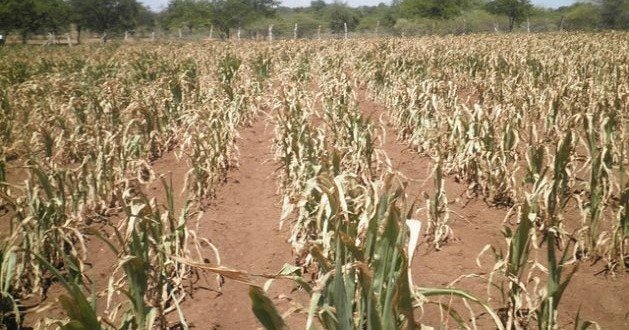
To break the poverty trap in the sub Saharan Africa we need to create a sustainable food security system. As we are now facing erratic summer rains, longer dry spells and rain deficit situations we can create a sustainable food security system by conserving our own indigenous seeds and practice climate resilient agriculture. We need to grow grain crops and legumes like guinea millet, finger millet , pearl millet, African rice, wild sorghum, sorghum, lab lab beans , cowpea, bambara nuts and many more that are facing extinction but thrive through climate extremes and they are ecological plants they grow very easily and they grow very easily without the use of pesticides , fungicides and inorganic fertilizers. We need to integrate beneficial weeds, shrubs and indigenous trees in our farming activities for example the leguminous weeds that fix nitrogen into the soil and others that we can include in our diets like blackjack and moringa which is nutritious and have medicinal properties. Some of these weeds withstand the dry season feeding our livestock during this taxing period and protecting the soil from direct ultraviolet radiation which sterilize the microbiological habitant. Right plants triggers fertility in the barren landscapes creating a diverse system addressing food security much better.
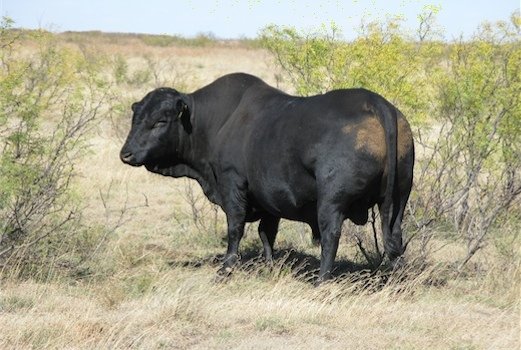
I think policies need to be enabled, policies that can protect the indigenous livestock , crops and environment.
Farai Mugadziwa
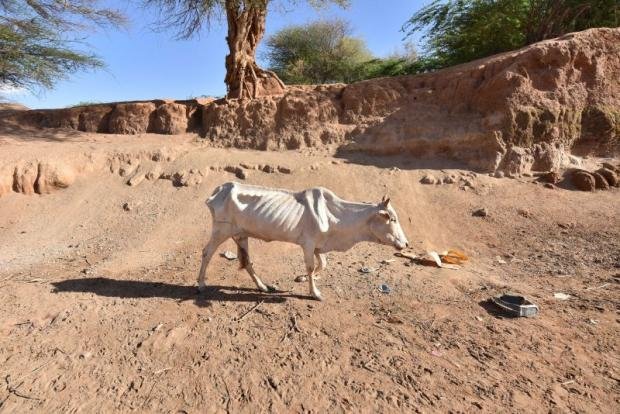
Population growth and market economy which is profit driven led to over consumption of planet resources creating environmental problems. Farmers opted for exotic or hybrids that grows fast but less resilient to the environment.
In the sub Saharan Africa we are encountering the highest population growth while facing the real calamity of climate change and water is becoming scarce investing in water security is another important economic game we need to win. By healing the landscapes, arresting soil erosion and promoting infiltration reproducing the natural processes the atmosphere and hydro cycle is created and constantly renewed. Rainwater harvesting is another sustainable development that needs to be implemented as a water conservation system.
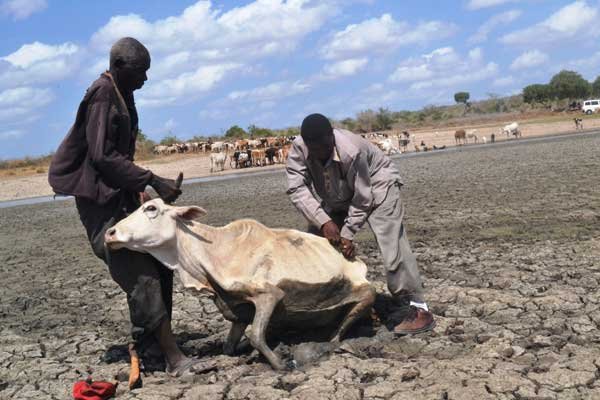
If we improve the natural capital value of land by reproducing the natural processes we empower lives and eradicate poverty and malnutrition sustainably. Improving the natural capital value of land in an eco-friendly way keeps the planet in equilibrium solving climate change bringing positive economical and social outcomes.
Population growth and market economy which is profit driven led to over consumption of planet resources creating environmental problems. Farmers opted for exotic or hybrids that grows fast but less resilient to the environment.
In a health community, health soil=health plants and animals=health people
We need collective action and community engagement to create a health community
 Bundu Cultura